Since the Surfside collapse in 2021, Florida has required condominium associations to study and fund the major structural parts of their buildings. The roof is one of them. For many associations it is also the component with the shortest remaining life, which makes it the one that drives reserve contributions in the next few budgets.
Who has to do a SIRS
A structural integrity reserve study, or SIRS, applies to condominium buildings with three or more habitable stories. Buildings with four or fewer units are exempt, and ground-floor parking does not count as a habitable story (Reserve Advisors). The deadline for the first study was extended to December 31, 2025, and studies must be updated at least every 10 years.
The roof is a required component
A SIRS must cover the roof along with the load-bearing structure, fire protection, plumbing, electrical, waterproofing, and windows and exterior doors. For each, the study estimates remaining useful life and replacement cost, and the association must fund reserves to match. Unlike older reserve rules, owners cannot vote to waive reserves for these items.
What HB 913 changed in 2025
House Bill 913 took effect on July 1, 2025 and gave boards more flexibility (Building Mavens):
- Reserves can be funded with special assessments, loans, or lines of credit, not only regular assessments, with approval from a majority of the voting interests.
- After a milestone inspection, an association can pause SIRS funding for up to two budget years to pay for the structural repairs that inspection found, for budgets adopted by December 31, 2028.
- The definition of which buildings are covered was clarified, including how ground-floor parking is counted.
Why roof data changes the reserve numbers
A reserve specialist or engineer estimates the roof's remaining life, often from a visual review and the installation date. Two roofs installed the same year can be in very different shape. A roof with dry insulation, closed seams, and clear drains may have years more life than the age alone suggests. A roof with wet insulation under the membrane may have less.
Giving the study real condition data helps set a realistic number instead of a conservative guess. Useful inputs include:
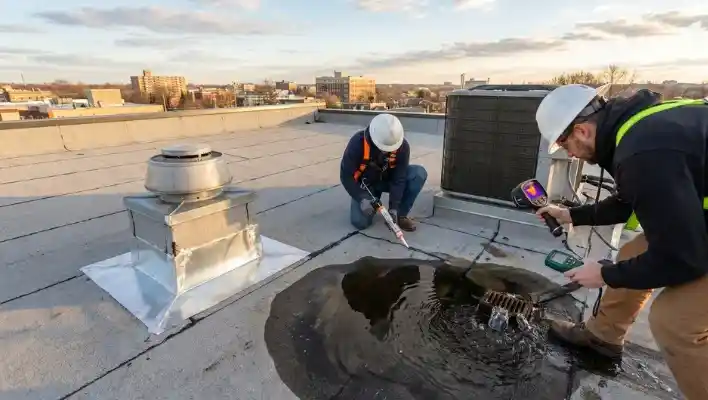
- A written roof inspection with photos of seams, flashing, and drains.
- Moisture scan results or core samples showing whether the insulation is dry.
- Records of past repairs and maintenance visits.
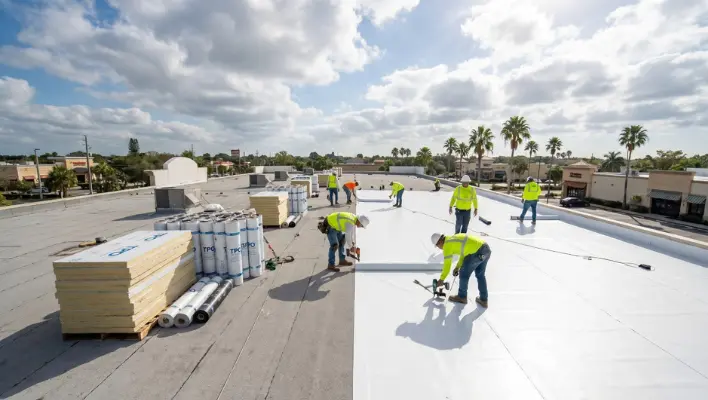
- Whether the roof qualifies for a recover instead of a full tear-off, which changes the replacement cost.
Stretching the roof's life on purpose
Every year a roof lasts past its estimate lowers the pressure on reserves. Regular maintenance keeps drains clear and seams closed, which is where flat roofs on low-rise condo buildings usually fail first. When the roof is near the end, a recover over a sound roof can cost less than a tear-off, and a reflective membrane lowers cooling costs for top-floor units.
We are roofers, not engineers or reserve specialists, and we do not prepare a SIRS. What we can give your board and your reserve professional is a clear, photo-documented picture of the roof's condition to build the study on. Associations in St. Petersburg and Clearwater, where many low-rise condo buildings sit near salt water, often start there.