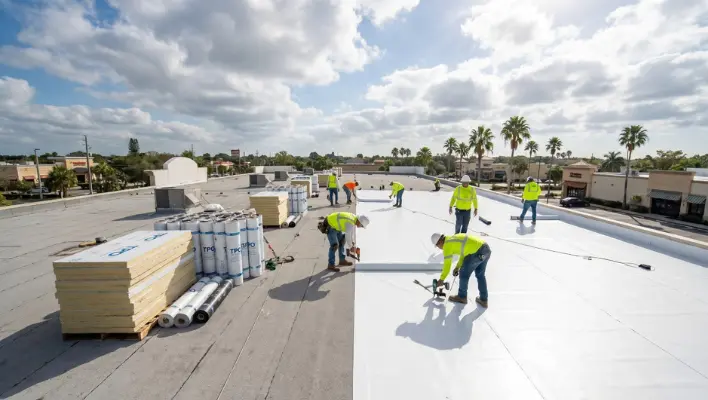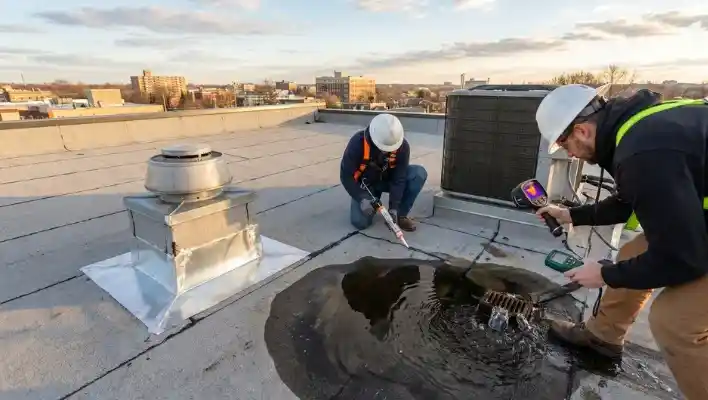
By late September 2026, the Atlantic had produced seven named storms and not one hurricane. It is the first time since 1914 that the season has stayed hurricane-free this late (Wikipedia summary of NHC data). For building owners in Florida, that is a relief. It is not a reason to skip the roof this fall.
Why this season has been so quiet
A very strong El Nino has driven wind shear across the Caribbean and Atlantic to record levels. By September 10, the season had set the record for the latest first hurricane of the satellite era, and wind shear was the strongest for that time of year since 1979 (The Weather Channel). NOAA had forecast a below-normal season in May and kept that call in its August update, at 7 to 13 named storms and 2 to 6 hurricanes (NOAA).
The season runs to November 30
Late storms are not rare on Florida's Gulf coast. Hurricane Milton made landfall near Siesta Key on October 9, 2024, and crossed central Florida as a strong storm. Forecasters this year have made the same point: a quiet season does not mean your area will not see a storm before it ends.
Florida did not escape entirely. Tropical Storm Bertha affected the state's coast in July, and ordinary summer thunderstorms test drains and seams every week from June to September.
What a year without a hurricane still does to a roof
- UV and heat keep aging the membrane. Seams and flashing sealants dry out whether or not a storm arrives.
- Summer downpours find the weak spots. Many leaks show up after heavy rain, not wind, because clogged drains and low spots hold water.
- Debris builds up. Leaves, packaging, and dust collect around drains and scuppers over the summer.
- Rooftop work adds up. HVAC service visits during the hot months leave punctures and loose panels behind.
A fall checklist for commercial roofs
- Walk the roof after the next heavy rain and look for water still standing after 48 hours.
- Clear drains, scuppers, and gutters, and replace missing drain strainers.
- Check flashing at rooftop units, walls, and edges for gaps or loose metal.
- Look at the paths technicians use to reach equipment for punctures.
- Photograph the roof. A dated baseline helps with any insurance claim later.
If you would rather have it done for you, a post-season inspection in December covers all of it and gives you a written report for next year's budget. Owners who want those visits on the calendar every year usually move to a maintenance program.
Plan bigger work before the code changes
If the inspection points to a replacement, timing matters this year. The 9th Edition of the Florida Building Code takes effect on December 31, 2026, and the permit date generally decides which edition applies. We explain what changes in our post on the new code.